
The evolution of gambling a historical journey through time
The Ancient Beginnings of Gambling
The roots of gambling can be traced back thousands of years to ancient civilizations. Archaeological evidence suggests that people in Mesopotamia, around 3000 BCE, engaged in various forms of gaming, using rudimentary dice made from animal bones. These early forms of gambling were not only a pastime but also deeply intertwined with religious and cultural practices. People believed that games of chance could reveal divine will or fate, which added a layer of spirituality to the act of wagering. Many modern players can find their favorite gaming experiences at https://www.jozzcasino.co.uk/.

As civilizations evolved, so did the methods of gambling. Ancient Egyptians used senet, a board game with dice elements, to entertain themselves. Meanwhile, the Chinese developed their own versions of games of chance, like keno and lotteries, which were an integral part of their culture and social gatherings. These early gambling practices set the stage for future developments, illustrating how gambling has long been a reflection of society’s values and beliefs.
By the time we reached the Roman Empire, gambling had become a popular activity among citizens from all walks of life. The Romans played various games, including dice games and betting on chariot races. However, these games often came with regulations; authorities feared that unchecked gambling could lead to social unrest. As such, laws were implemented to regulate betting, showcasing the ongoing struggle between entertainment and governance in the realm of gambling.
The Middle Ages and Gambling Evolution
The Middle Ages marked a period of transformation for gambling, as it became more formalized and structured. During this time, card games gained popularity, particularly in Europe. The introduction of playing cards in the 14th century from Asia sparked a new wave of interest. These games were accessible and appealed to a wide audience, which allowed gambling to proliferate across social classes, from nobility to commoners.
Additionally, the establishment of the first gambling houses or gaming parlors took place during this era. These venues offered a variety of games, becoming hubs of social interaction and entertainment. While gambling was often frowned upon by the church, which viewed it as a vice, it continued to flourish. This contradiction highlighted the tension between societal norms and the growing demand for recreational gaming.
The Renaissance period further enriched the world of gambling as it witnessed the birth of modern games such as baccarat and blackjack. These games incorporated elements of strategy, skill, and luck, making them increasingly appealing. As more people became involved, the necessity for regulations grew, leading to the first formal gambling laws. This evolution signified not just a change in games but also a shift in public perception toward gambling, which began to be seen as a legitimate form of entertainment.
The Rise of Casinos and Modern Gambling
The 17th century heralded the establishment of the first official casinos, with Venice’s Ridotto being a prominent example. These establishments provided a controlled environment for gambling, offering various games while ensuring fair play. The Ridotto not only formalized gambling but also attracted a clientele eager for both excitement and social interaction. This model would influence the design of future casinos, emphasizing luxury and entertainment.
The 19th century saw gambling spread across Europe and the United States, with the advent of new technologies and the expansion of railroads facilitating travel to gambling hotspots. The opening of Monte Carlo Casino in 1863 marked a significant milestone in the luxury casino experience, drawing wealthy patrons from around the world. This era also introduced slot machines, which added an element of chance and ease, making gambling accessible to a broader audience.
With the prohibition of gambling in the early 20th century in the U.S., illegal gambling rings flourished. However, the Great Depression prompted many states to legalize gambling as a means of generating revenue. This shift marked a turning point in public perception, as gambling began to be viewed as an economic asset rather than merely a vice. The Las Vegas Strip soon emerged as a gambling mecca, blending entertainment with gaming, thus changing the landscape of the industry forever.
The Digital Revolution and Online Gambling
The late 20th and early 21st centuries ushered in the digital revolution, profoundly transforming the gambling landscape. The advent of the internet opened up new avenues for gambling enthusiasts, leading to the emergence of online casinos and betting platforms. Players could now enjoy their favorite games from the comfort of their homes, making gambling more accessible than ever before. This shift not only expanded the player base but also diversified the range of games available.
Online gambling platforms introduced innovative features such as live dealer games, which aimed to replicate the atmosphere of a physical casino while utilizing advanced technology. Additionally, mobile gambling became increasingly popular as smartphones gained traction. Players could place bets, play games, and manage their accounts on the go, resulting in a significant boom in the industry.
Despite the convenience and accessibility of online gambling, concerns regarding responsible gambling emerged. Regulatory bodies began implementing measures to promote safe gaming practices. Initiatives such as self-exclusion programs and deposit limits were introduced, emphasizing the importance of responsible gambling to keep players safe while enjoying their experiences.
The Future of Gambling: Trends and Innovations
As we look to the future, the evolution of gambling shows no signs of slowing down. With advancements in technology, we can expect to see even more innovation in gaming experiences. Virtual reality and augmented reality are anticipated to revolutionize the way players engage with games, providing immersive experiences that were once only a dream. This technology could bring a new level of realism to online casinos, making them feel even more like physical locations.
Additionally, the integration of artificial intelligence and machine learning into gambling platforms promises to personalize the gaming experience. These technologies can analyze player behavior to suggest games tailored to individual preferences, enhancing user engagement. The industry is also likely to see further expansion in cryptocurrency transactions, providing players with more secure and anonymous ways to gamble online.
However, as the gambling landscape continues to evolve, the importance of responsible gaming remains paramount. Platforms will need to balance innovation with the responsibility of ensuring player welfare. As new forms of gambling emerge, implementing robust regulatory frameworks will be crucial to protect consumers and promote sustainable practices within the industry.
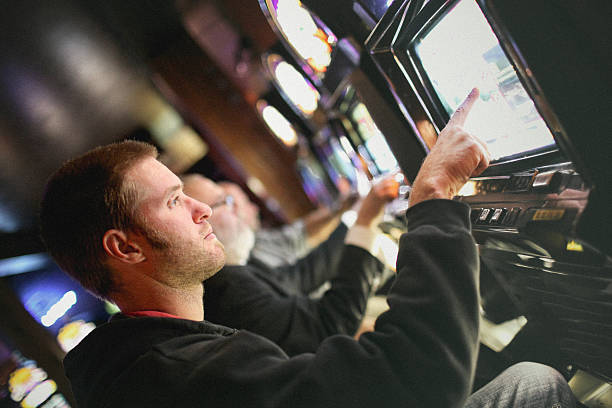
Jozz Casino: A Modern Gaming Experience
Jozz Casino exemplifies the evolution of gambling in today’s digital age. This online gaming platform caters to a diverse audience, offering an extensive selection of slots, table games, and live dealer options. Designed with user satisfaction in mind, Jozz Casino provides a seamless gaming experience, featuring a reliable interface and unique promotions that enhance player engagement. The platform continually updates its library of games, ensuring that users always have access to the latest offerings in the gaming world.
The commitment to innovation and excellent customer support sets Jozz Casino apart in a competitive market. With a focus on creating an enjoyable gaming environment, it offers attractive bonuses and user-friendly navigation. This dedication to customer satisfaction is essential for maintaining player loyalty and enhancing the overall experience.
As the gambling industry continues to evolve, platforms like Jozz Casino highlight the significance of adaptability and user engagement. By embracing technological advancements and prioritizing responsible gaming, Jozz Casino ensures that it remains a leader in the online gambling landscape. The future of gambling is bright, and Jozz Casino is at the forefront of this exciting journey.