
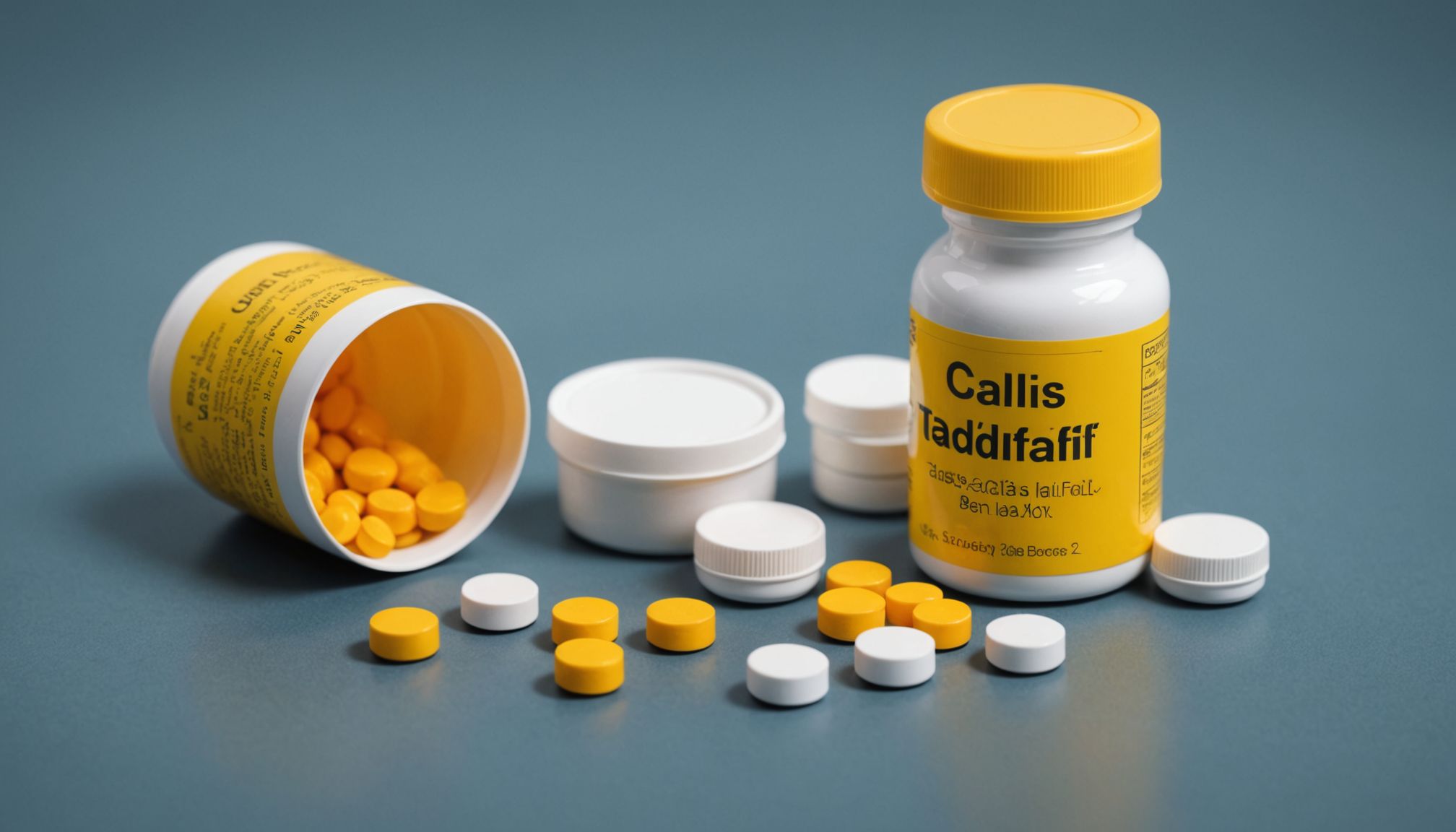
Cialis
Disclaimer: This article is for educational purposes only and does not replace professional medical advice. Always consult a qualified healthcare provider for diagnosis and treatment decisions.
Basics: what it is
Cialis is the brand name for tadalafil, a medication in the class of phosphodiesterase type 5 (PDE5) inhibitors. It is commonly prescribed to help improve blood flow by relaxing smooth muscle in blood vessel walls.
Clinically, tadalafil is approved for the treatment of erectile dysfunction (ED), symptoms of benign prostatic hyperplasia (BPH), and—under specific circumstances—both conditions together. One distinctive feature of Cialis compared with other PDE5 inhibitors is its longer duration of action, which can last up to about 36 hours in many people.
For general health education topics, see our uncategorized hub: health education overview.
Symptoms and signs
Cialis itself does not treat “symptoms” as a disease would; instead, it addresses functional problems associated with certain conditions. Common situations where it may be considered include:
- Erectile dysfunction: Difficulty achieving or maintaining an erection sufficient for sexual activity.
- Lower urinary tract symptoms (BPH-related): Frequent urination, weak urine stream, or a sensation of incomplete bladder emptying.
- Reduced quality of life: Stress or anxiety related to sexual performance or urinary symptoms.
Similar conditions: how to differentiate
Not all sexual or urinary symptoms are due to conditions that respond to Cialis. A brief comparison helps clarify when other causes may be involved:
| Condition | Main features | How it differs |
|---|---|---|
| Erectile dysfunction (vascular) | Gradual onset, related to blood flow | Often responsive to PDE5 inhibitors |
| Psychogenic ED | Sudden onset, situational | May improve with counseling rather than medication alone |
| Prostatitis | Pelvic pain, urinary discomfort | Inflammatory or infectious; different treatment approach |
| Hormonal imbalance | Low libido, fatigue | Requires endocrine evaluation |
Diagnosis
Before prescribing Cialis, clinicians usually assess overall health and identify underlying causes. This may include:
- Detailed medical and sexual history
- Review of current medications and chronic conditions
- Physical examination, including cardiovascular assessment
- Basic laboratory tests (e.g., blood glucose, lipids, hormones when indicated)
The goal is to ensure that tadalafil is appropriate and safe, especially for people with heart disease or those taking interacting medications.
What usually helps
Management with Cialis typically focuses on improving function rather than curing an underlying disease. Helpful strategies often include:
- Medication therapy: PDE5 inhibitors like tadalafil under medical supervision.
- Lifestyle measures: Regular exercise, balanced nutrition, smoking cessation, and limiting alcohol.
- Addressing contributing conditions: Optimizing control of diabetes, hypertension, or high cholesterol.
- Psychological support: Counseling or therapy when stress or anxiety contributes.
Related lifestyle articles can be found here: wellness and prevention guides.
FAQ
How long does Cialis work?
Its effects may last up to 36 hours, though this varies between individuals.
Is Cialis the same as Viagra?
No. Both are PDE5 inhibitors, but they differ in duration of action and onset time.
Can Cialis be taken daily?
Some treatment plans use daily administration, but this decision must be made by a healthcare professional.
Does Cialis increase sexual desire?
It does not directly affect libido; it improves the physical response to sexual stimulation.
Are there common side effects?
Possible effects include headache, flushing, indigestion, or back pain. Seek medical advice if symptoms are severe.
Who should not use Cialis?
People taking nitrates or with certain cardiovascular conditions may be advised against it.
Is it safe to buy Cialis online?
Only through licensed pharmacies with a valid prescription to avoid counterfeit products.
Can it help urinary symptoms?
Yes, tadalafil is approved for symptoms associated with benign prostatic hyperplasia.
How PDE5 inhibitors work
They block the PDE5 enzyme, enhancing nitric oxide–mediated vasodilation and improving blood flow.
Duration vs. onset nuances
Cialis has a longer half-life than similar drugs, which explains its extended window of effectiveness.
Cardiovascular considerations
Sexual activity itself places demands on the heart; clinicians assess overall cardiac risk.
Drug interactions
Alpha-blockers, nitrates, and certain antifungals can interact significantly.
Limitations of treatment
Cialis does not cure ED or BPH; it manages symptoms.
Long-term use insights
Long-term safety data are generally reassuring when used as directed.
Explore broader educational topics in our uncategorized section: general medical articles and patient education hub.
Sources
- U.S. Food and Drug Administration (FDA) – Tadalafil prescribing information
- European Medicines Agency (EMA) – Cialis product overview
- National Institutes of Health (NIH) – Erectile dysfunction overview
- American Urological Association (AUA) – Clinical guidelines on ED and BPH
- National Health Service (NHS, UK) – Tadalafil patient information