
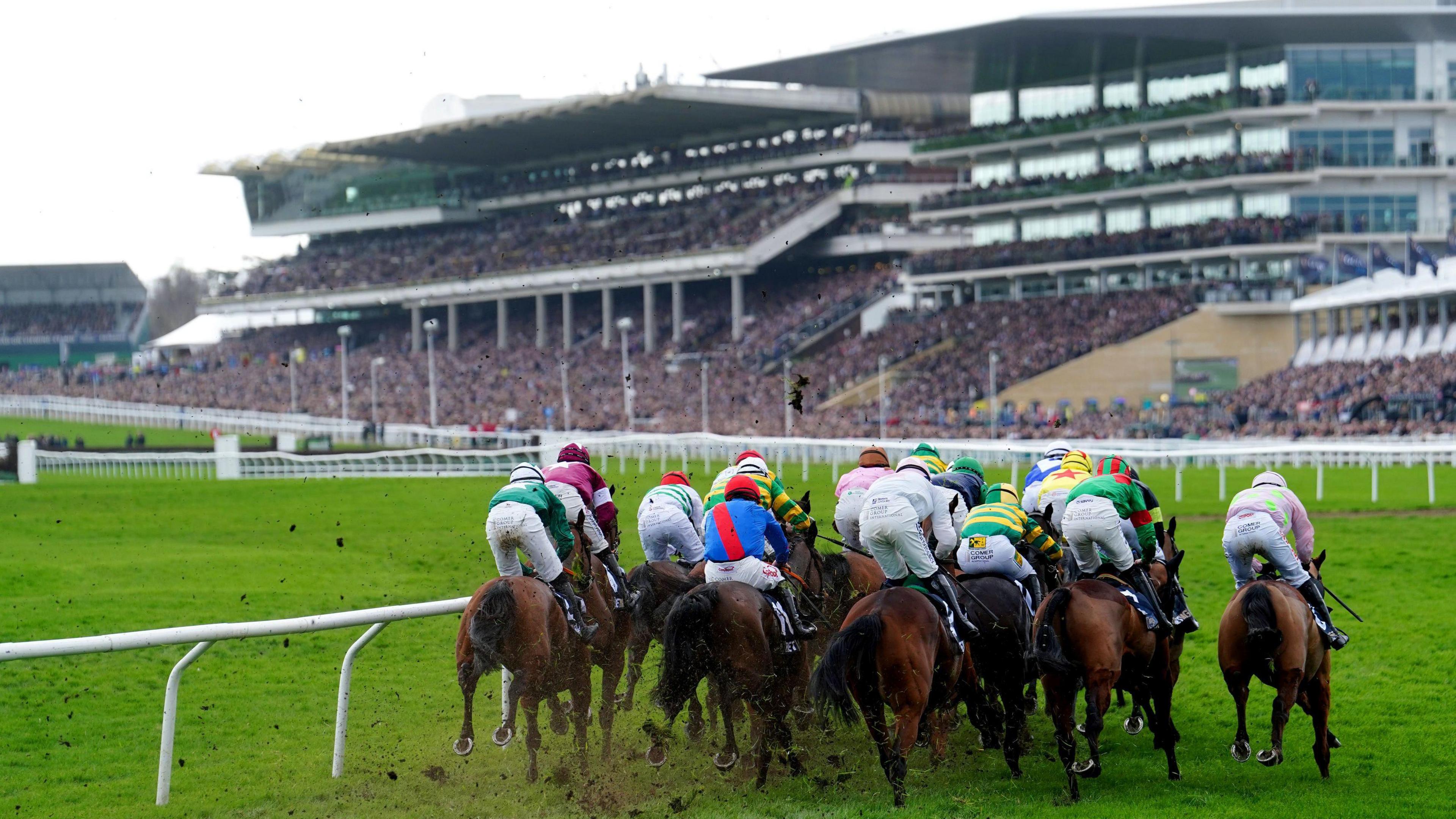
Horse racing has captivated the hearts of enthusiasts for centuries, and for good reason. It combines the thrill of competition, the beauty of the horses, and the excitement of betting. Moreover, many of these activities remain easily accessible to fans, as seen when exploring options such as horse racing not blocked by GamStop. This article delves into the intricate world of horse racing, touching on its history, the mechanics of the sport, and why it remains a beloved pastime.
A Glimpse into the History of Horse Racing
Horse racing dates back to ancient times, with evidence of racing in civilizations such as Greece, Egypt, and Rome. People have always been enamored with speed and competition, and horses have consistently shown their incredible capabilities in these respects. Initially, horse racing was a simple test of speed, but as the sport evolved, it became more structured, leading to the establishment of organized races, regulations, and formal betting systems.
The first documented horse race is thought to have taken place in 4000 BC in Central Asia, where horses were ridden without saddles. As horses and the cultures surrounding them grew, horse racing began to take on many forms, from the chariot races of ancient Rome to the sophisticated Thoroughbred races of today. Over the years, horse racing has transformed into a multifaceted sport that draws millions of spectators and participants worldwide.
The Mechanics of Horse Racing
At its core, horse racing is a competition where horses are ridden by jockeys along a designated track. Races vary considerably in distance, type, and rules. The most common types of horse races include flat races, jump races, and harness races. Flat racing is the most popular, featuring horses racing on a flat surface without obstacles, while jump racing includes hurdles or fences that the horses must navigate.
Understanding the key components of horse racing can significantly enhance the experience for bettors and enthusiasts alike. Important aspects include:

- Types of Horses: Two main breeds dominate the racing world: Thoroughbreds and Quarter Horses. Thoroughbreds are known for their speed and endurance, while Quarter Horses are celebrated for their quick bursts of speed over shorter distances.
- Jockeys: The riders play a crucial role in a horse’s performance. Jockeys use their skills to guide and motivate the horses, and their weight can greatly impact the outcome of a race.
- Tracks: The condition of the race track can affect how fast a horse can run. Tracks may be dirt, turf, or synthetic surfaces, each presenting different challenges and advantages.
- Betting: Betting is an integral part of horse racing culture. From simple win/place/show bets to complex exotic bets, the variety adds excitement for spectators; however, it’s essential to bet responsibly.
Why Horse Racing Remains Popular
Horse racing remains an enduring sport for a multitude of reasons. The thrill of watching powerful animals sprint at incredible speeds is exhilarating, and the betting aspect adds an extra layer of engagement. Additionally, many people enjoy the social setting associated with horse racing events, particularly in the context of famous venues like Churchill Downs, Ascot, and the Melbourne Cup.
Furthermore, the accessibility of horse racing, especially with online betting options that are frequently not blocked by GamStop, has attracted new audiences. This accessibility permits fans to enjoy the races from the comfort of their homes, making them an everyday part of racing culture.
The Future of Horse Racing
As horse racing moves forward, it grapples with challenges such as the importance of animal welfare and the rise of new forms of entertainment. To remain relevant, the sport must adapt to the changing preferences of consumers and address any ethical concerns. Technology also plays a vital role, with advancements in data analytics and artificial intelligence offering new ways to engage fans and enhance betting strategies.

Despite these challenges, horse racing’s rich history and the genuine passion of its fans ensure that it remains a vibrant part of the sporting landscape. From seasoned enthusiasts to newcomers attracted by betting opportunities, there’s a place for everyone in the world of horse racing.
Conclusion
In conclusion, horse racing is not merely a sport; it’s a tradition filled with excitement, community, and opportunity. As it continues to evolve, adhering to modern standards for integrity and accessibility, horse racing is poised to capture the imaginations of future generations. So saddle up and enjoy the thrilling world of horse racing, where the passion of the past meets the innovations of tomorrow.